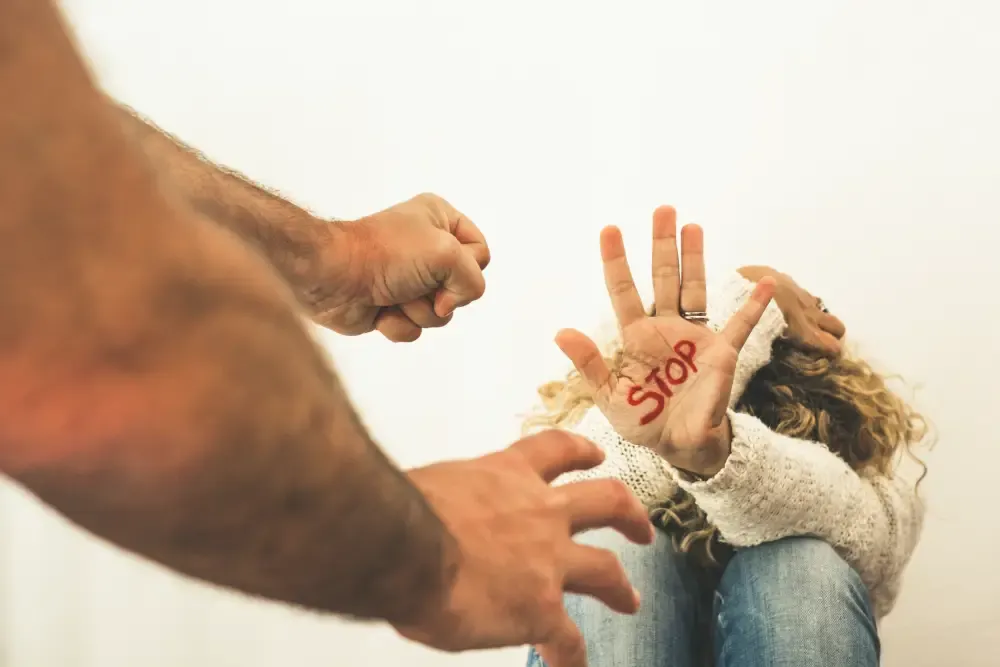
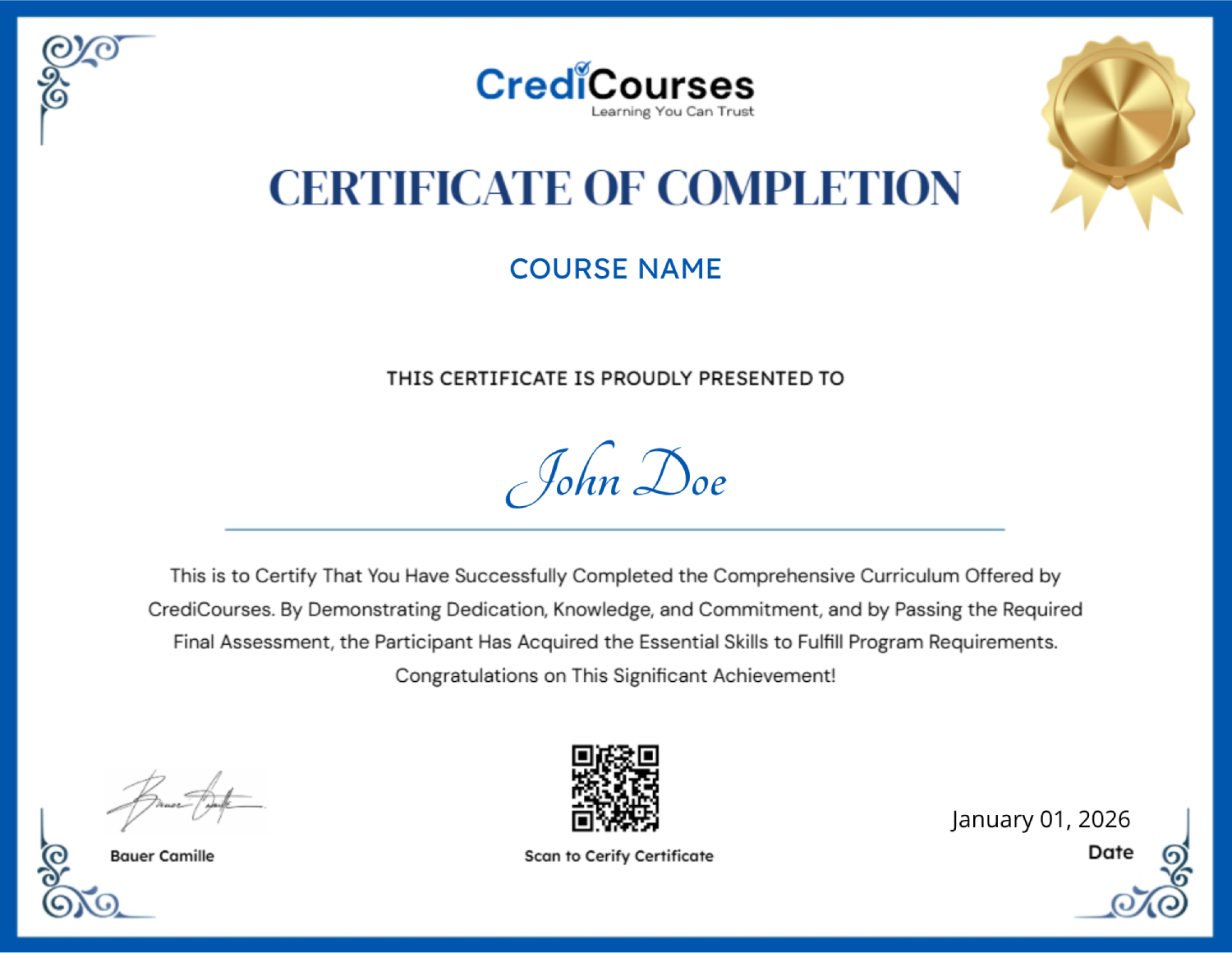
Somewhere between wide-open highways and a court date you didn’t plan for, life in South Dakota doesn’t leave much room for a weekly class across town. CrediCourses solves that with online, court-approved classes covering Anger Management, Alcohol & Drug Awareness, DUI/DWI, Parenting, Theft, Decision Making, Domestic Violence Education, and other court-related requirements throughout the state. No Zoom sessions to join. No sign-in sheets. No set class time that competes with work or family. Complete the material from your phone or computer, on your own hours, wherever you happen to be. Once you’re finished, you receive a Certificate of Completion your court, probation officer, or employer can verify.
$19 No Hidden Fees
Enroll Securely • Start Learning Instantly
$19 - No Hidden Fees
100% Online
Certified Experts
Same Day
Sign up online, work through the course whenever your day allows, and get your certificate the moment you finish. No appointments to book, no forms to mail.
01
02
03
04
05
Not every provider is worth your money or your time. See how CrediCourses stacks up against typical South Dakota course providers on price, curriculum, court acceptance, and speed.
| Feature | In Person | Live Zoom | Group Sessions | CrediCourses |
|---|---|---|---|---|
| 24/7 Flexible Access | ||||
| 100% Private & Confidential | ||||
| Completely Self-Paced | ||||
| Zero Commute Required | ||||
| Zero Social Pressure | ||||
| No Webcam Required | ||||
| Works on Any Smartphone |
A court requirement doesn’t have to be dead weight you carry until it’s done. Handled well, it can actually change something. CrediCourses courses walk through why the incident happened, not just what happened, and give you a practical way to respond differently next time. South Dakotans who finish these classes tend to come away with more than paperwork. They come away with a clearer read on their own patterns and a plan for handling pressure without repeating the same mistake. That’s the real goal here — not just clearing a box on a court form, but leaving better off than you started.
CrediCourses curriculum is built to national education standards, so South Dakota courts aren't looking at an unfamiliar program. Credentialed professionals wrote the material, and it stays current with what courts expect to see from a completed course. That consistency is why students across South Dakota, and across the country, keep returning to it.
Distance is a real factor in South Dakota, and CrediCourses was built with that in mind. There's no drive across the county, no fixed class night, and no waiting for a seat to open in a classroom two hours away. Everything runs online, so your location and your schedule stop being obstacles to finishing the requirement.
Denials on our certificates are uncommon enough that most of our team could name every case from memory. If yours turns out to be one, send us the written denial letter from your court or probation officer, and we'll issue a full refund without any back-and-forth. That guarantee exists because we trust what we teach.
It’s easy for a course provider to say “court-approved” without much behind it. South Dakota residents dealing with a legal requirement shouldn’t have to take that on faith. CrediCourses was built to earn trust, not assume it. Every course comes from a certified team of experts, not a copy-pasted template swapped between states. Pricing stays low on purpose, because we don’t think a legal requirement should double as a profit opportunity. Our refund guarantee gets honored every time it applies, not buried in fine print. And given how seriously South Dakota courts treat impaired driving education, we’ve kept our material accurate and specific rather than generic.
Every course is developed by a certified team of instructors, built from scratch rather than recycled content.
Our teaching staff holds credentials through NAADAC, NAMA, and NPEN — real certifications, not a logo on a page.
We keep courses affordable on principle, since a court requirement shouldn't come with an inflated price tag.
Denials are rare, and when one happens, we process the refund promptly, without unnecessary steps.
Course content is reviewed regularly against what South Dakota courts and probation offices actually expect to see.
Thousands of certificates issued to South Dakota residents have held up with courts, probation offices, and employers.
A court-ordered class is education a judge assigns as part of a sentence, a probation term, or a diversion agreement. In South Dakota, this most often follows a DUI charge, a domestic violence charge, or theft, where the court sees structured education as doing something jail time alone can’t. That reasoning carries extra weight here. South Dakota has one of the highest rates of DUI arrests per capita in the country, and more than a third of the state’s traffic deaths involve a drunk driver. Courts respond to numbers like that with education, not just punishment, because the data keeps showing it works better. CrediCourses builds its programs around what South Dakota judges, probation officers, and employers actually expect to see in a completed course. Finishing it isn’t treated as a formality here. It’s often read as a genuine sign that you took the requirement seriously, which can matter at sentencing or when your case is reviewed.
Letting a court-ordered class slide in South Dakota rarely makes it disappear. A judge can issue a bench warrant, revoke probation, or add jail time for missing a sentencing condition. An employer who required a certificate as a condition of continued work can move on without you. A custody matter in family court can turn unfavorable if a required parenting class stays unfinished. Even a routine step like reinstating a license after a DUI usually requires proof the class was completed first. None of this is permanent — most of it can still be resolved once the requirement is met, even late. But the longer it sits, the more it tends to cost, whether that’s added fines, extended probation, or a court that’s grown less willing to be flexible. Finishing it late still beats not finishing it.
South Dakota’s impaired driving numbers are among the most severe in the country, and its domestic violence figures aren’t far behind. The state posts some of the highest DUI arrest rates per capita nationally, and courts have leaned into education as a serious sentencing tool in response. The statistics below come from national highway safety analysis, the South Dakota Department of Health, and the state’s domestic violence program network. They explain something simple: judges here aren’t ordering these classes out of habit. They’re ordering them because the numbers keep showing that education changes outcomes in a way punishment alone doesn’t. Reading through the list won’t undo a charge already filed, but it does explain why completing the requirement in front of you is taken seriously by the people deciding your case.
Judges in South Dakota don’t assign these classes to make a sentence harsher. They assign them because education has shown better results than jail time alone at preventing the next offense. A class creates space to actually examine what happened, something most people don’t build into their own routine without a push. Courts here treat it as rehabilitation, not punishment stacked on punishment, and that distinction shapes how the requirement gets viewed later. Completed coursework tends to carry real weight at sentencing, at a probation review, or when a case comes up for early resolution.
South Dakota's own recidivism data links structured intervention to measurably fewer repeat DUI and violence offenses.
Judges often factor completed coursework into sentencing decisions, probation terms, or requests to reduce penalties.
Classes address the behavior behind the charge, something a fine or jail sentence rarely reaches directly.
Courts increasingly treat completion as a real signal of future compliance, not just a checked box.
Have questions about enrollment, course access, or your certificate? Browse our most common inquiries below to find everything you need to know before getting started.