Because West Virginia’s court system spans mountain roads and small towns alike, getting to a weekly class in person can turn into half a day’s trip. CrediCourses removes that problem completely with online, court-approved classes covering Anger Management, Alcohol & Drug Awareness, DUI/DWI, Parenting, Theft, Decision Making, Domestic Violence Education, and other requirements West Virginia courts assign. No drive over a mountain pass. No sign-in sheet. No class night that falls apart the second your shift changes. Everything runs on your phone or laptop, on your own schedule. Once you’re finished, you’ll have a Certificate of Completion your court, probation officer, or employer can verify directly.
$19 No Hidden Fees
Enroll Securely • Start Learning Instantly
$19 - No Hidden Fees
100% Online
Certified Experts
Same Day
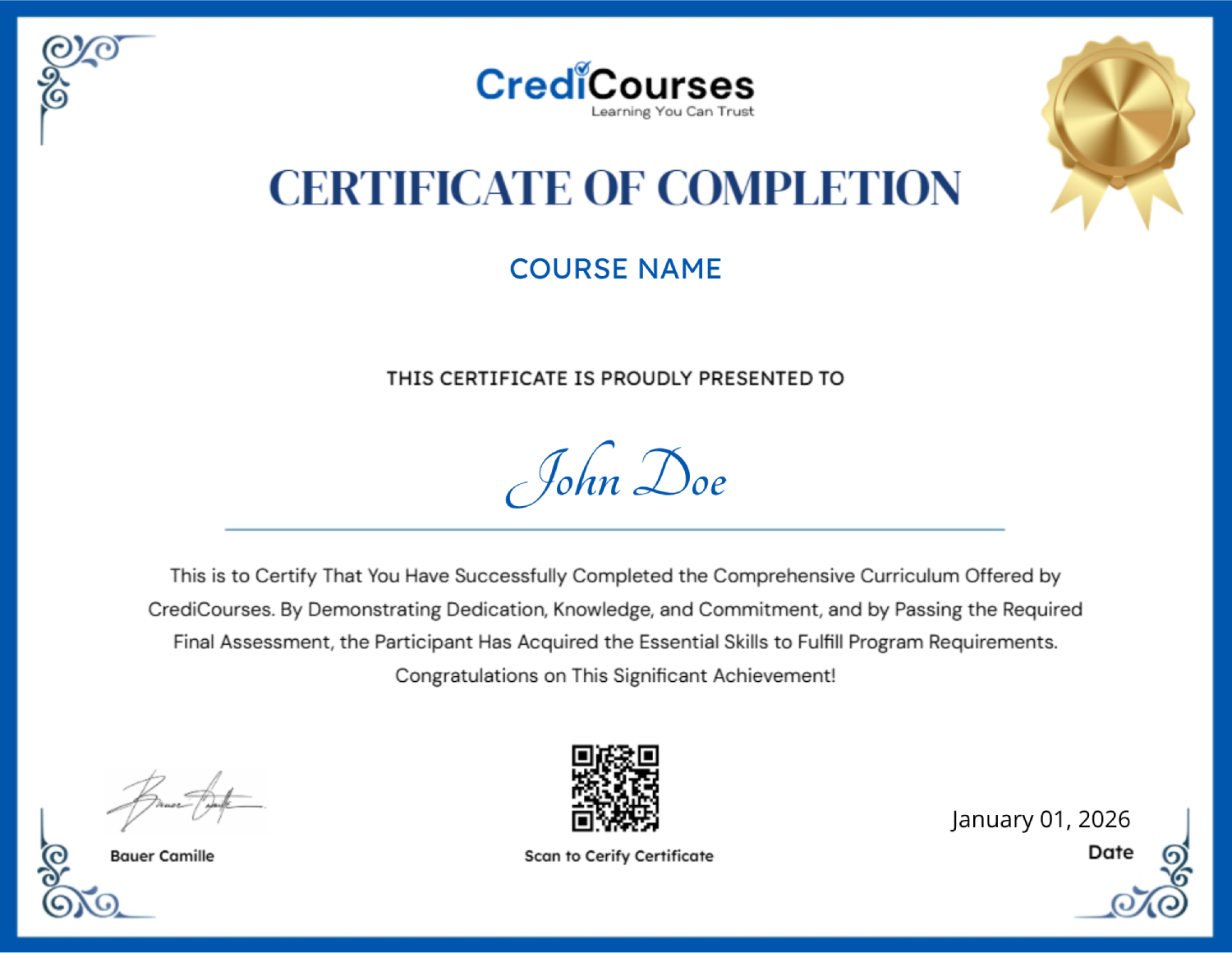
Sign up online, work through the course whenever your day allows, and download your certificate right after your final lesson. Nothing to schedule. Nothing to mail.
01
02
03
04
05
Not every provider charges fairly or teaches well. See how CrediCourses compares to typical West Virginia course options on price, curriculum, court acceptance, and how long it actually takes.
| Feature | In Person | Live Zoom | Group Sessions | CrediCourses |
|---|---|---|---|---|
| 24/7 Flexible Access | ||||
| 100% Private & Confidential | ||||
| Completely Self-Paced | ||||
| Zero Commute Required | ||||
| Zero Social Pressure | ||||
| No Webcam Required | ||||
| Works on Any Smartphone |
A lot of people finish a court-ordered class without absorbing much of it. That’s a missed chance. CrediCourses courses are built so that understanding what happened, not just clicking through to the end, is the actual goal. West Virginians who take the material seriously tend to come away with a clearer read on their own decision-making — what pattern led to the charge, and what a different response looks like the next time pressure builds. The certificate takes care of your court requirement. What you genuinely learn from the course is what changes how the next hard moment plays out.
A course is only as credible as the people who built it, and CrediCourses put real, credentialed instructors behind every lesson. The material gets revised as court expectations shift, which is exactly why the certificate holds up whether your case is in West Virginia or somewhere else entirely.
Mountain roads and long county distances make a fixed weekly class night a real hassle in a lot of West Virginia. CrediCourses takes that variable off the table completely. There's no drive to make and no class night to protect on your calendar — just log in whenever you actually have the time, from wherever you happen to be.
Certificates flagged by a West Virginia court are rare enough that we can name most of the handful that have happened. If yours becomes one of them, send us the written denial letter from your court or probation officer, and we'll refund your payment in full, the same day, no conditions attached. We back that promise because we trust what we teach.
Saying “court-approved” costs nothing. Proving it is the hard part. CrediCourses can back up the claim. Our instructors hold credentials through organizations that will confirm them if anyone asks, not just a line of text on a webpage. The curriculum came from one consistent team, not a patchwork of outside contractors working against a deadline. Our prices haven’t quietly crept upward the way some competitors’ have, because charging more to someone already dealing with a legal requirement never felt right. West Virginia courts pay close attention to how alcohol and domestic violence education gets handled, and we built our material to hold up to that scrutiny.
NAADAC, NAMA, and NPEN credentials back our instructors, confirmable if you ask.
The curriculum came from one team, so quality doesn't waver halfway through.
A denial letter starts the process immediately — no extra steps added on our end.
What students pay now is close to what students paid years back, deliberately.
We revisit and update the material instead of leaving it untouched indefinitely.
CrediCourses certificates have moved through the state's courts for years without a documented issue.
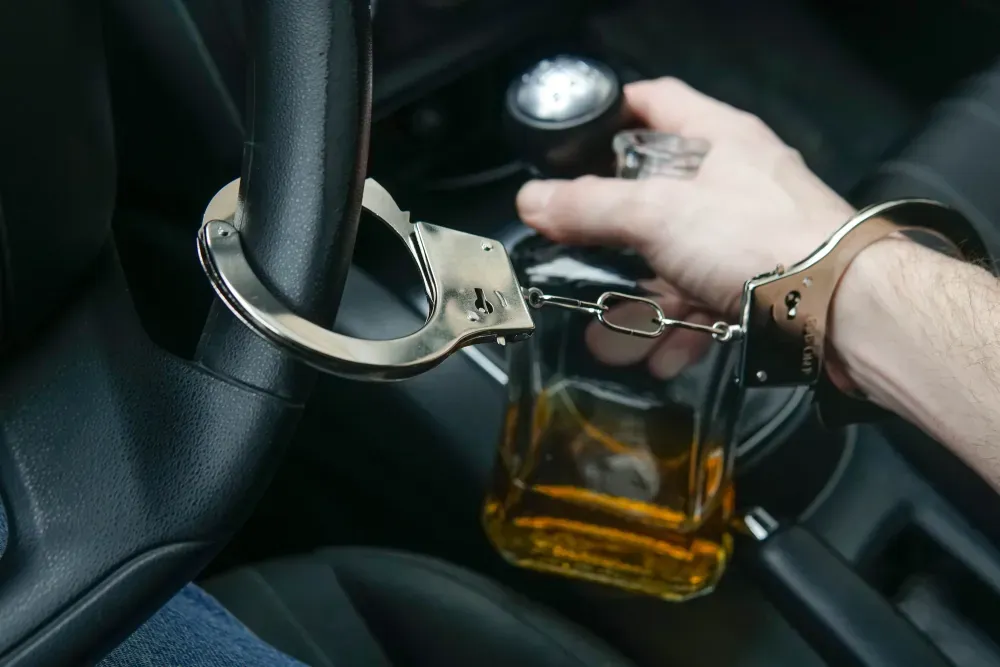
A court-ordered class isn’t punishment added on top of a sentence for its own sake. It’s education a judge requires because the alternative — a fine or a few days in custody with nothing else attached — hasn’t proven to change much on its own. In West Virginia, this most often follows a DUI, a domestic violence charge, or a theft offense. Both of the first two carry real weight in this state: alcohol-impaired driving still plays a role in roughly a fifth of West Virginia’s traffic deaths, and the state’s own domestic violence coalition tracks homicides closely enough to publish annual figures on them. CrediCourses built its curriculum around what West Virginia judges, probation officers, and employers actually expect from a finished course. Completing it is treated as more than a formality here. It’s read as a genuine sign that you took the requirement seriously, and that can matter when your case is reviewed.
An unfinished court-ordered class in West Virginia doesn’t quietly disappear. A judge can issue a warrant, revoke probation, or extend a sentence over a missed requirement. An employer who required a certificate as a condition of returning to work can decide not to wait. A custody matter can turn unfavorable if a required parenting class stays unfinished. Even something routine, like getting a license back after a DUI, usually stalls until the education requirement is met. None of this locks you out permanently — most situations can still be resolved once the requirement is met, even late. But every week it goes unfinished tends to add weight: more fines, longer probation, a court that’s grown less patient with the delay. Finishing it late is still a far better outcome than letting it disappear from the to-do list entirely.
West Virginia’s numbers on impaired driving and domestic violence explain a lot about why courts here take class requirements seriously. Alcohol-impaired driving fatalities in the state jumped sharply in the most recent year of national reporting, even as the longer ten-year trend has actually improved. Meanwhile, the state’s domestic violence coalition tracks homicides and service requests closely enough to publish detailed annual snapshots. The figures below come from the West Virginia DMV, the state’s Governor’s Highway Safety Program, and the West Virginia Coalition Against Domestic Violence. They explain something straightforward: judges aren’t attaching education requirements to sentences out of habit. They’re doing it because the state’s own data keeps showing that a completed class changes outcomes in ways a fine or a short jail stay generally doesn’t on its own.
A judge in West Virginia isn’t adding a class to make a sentence harsher than it needs to be. The logic runs the other direction — education has shown a better track record than jail time alone at stopping a repeat offense. A class forces a real pause, a chance to actually look at what happened instead of moving straight back into daily life with nothing addressed. Courts across the state treat this as rehabilitation, not punishment stacked on punishment, and that distinction carries into how the requirement gets viewed later, whether at sentencing, a probation review, or a request to close a case.
West Virginia's own numbers link completed education to fewer repeat DUI and domestic violence cases.
Finished coursework often factors into how a court handles probation terms or sentencing decisions.
A class addresses what led to the charge, not just the charge sitting on paper.
Courts increasingly treat a completed class as real follow-through, not paperwork for its own sake.
Have questions about enrollment, course access, or your certificate? Browse our most common inquiries below to find everything you need to know before getting started.